
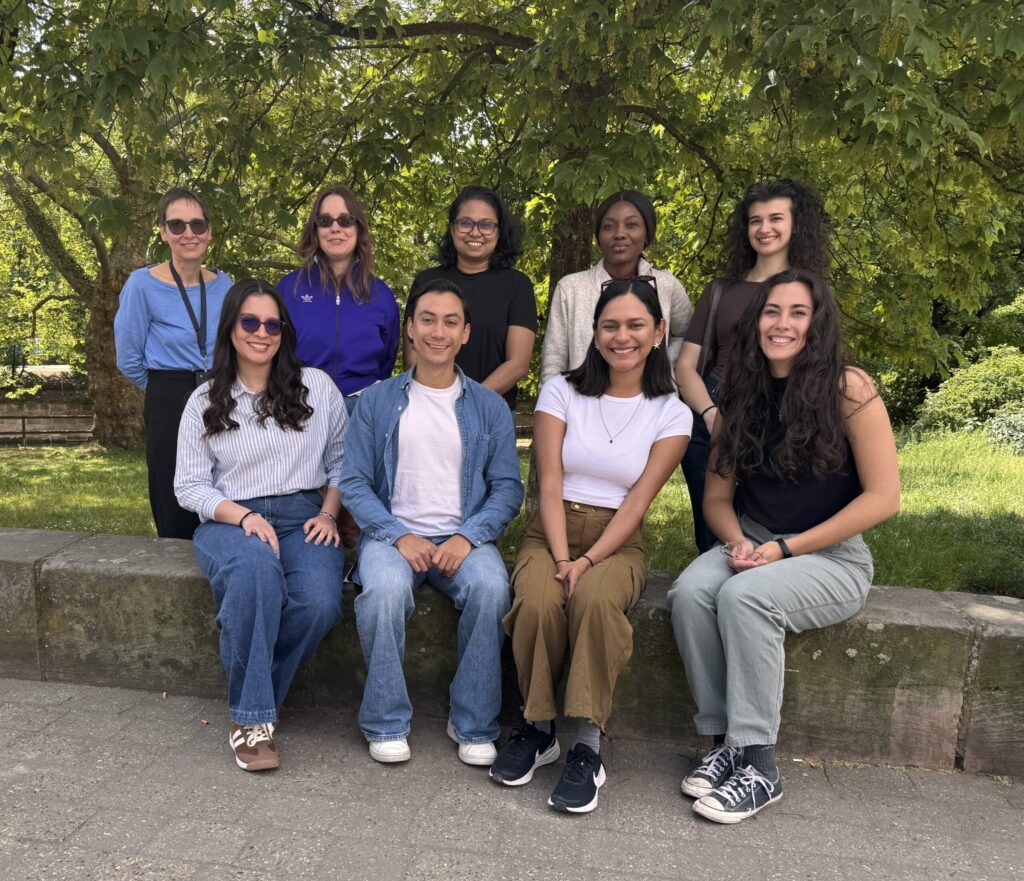
From March 27 to May 17, 2026, the open-air exhibition “Pictures for Human Rights,” organized by the association of the same name, was on display at Andrej-Sacharov-Platz in Nuremberg, in front of the FAU CHREN. The exhibition is part of an international traveling series and has previously been shown in several cities, including Karlsruhe, Frankfurt am Main, Luxembourg, Bonn, Düsseldorf, Regensburg, and New York City.
The aim of the exhibition is to make the 30 articles of the Universal Declaration of Human Rights visible in an accessible and publicly accessible way, thereby reaching a broad audience in urban spaces.
Thirty artists from twelve countries each provided an artistic interpretation of one article of the Universal Declaration of Human Rights. The large-format banners in public spaces are accompanied by explanatory texts in German and English. Additionally, information was provided in simple language, and QR codes linked to sign language videos, ensuring the exhibition was as accessible as possible.
The artist and founder of the exhibition, Barbara Wilmers-Hillenbrand, describes the project’s approach on the association’s website as an attempt to use the visual power of art to make human rights accessible and tangible, to spark dialogue, and to strengthen awareness of justice and freedom.
Student projects as part of the MA in Human Rights
Three students from FAU’s Master’s program in Human Rights participated in social media videos to raise awareness of the exhibition. In these videos, each student selected a human rights article and the corresponding image that was particularly important to them personally. The videos added personal perspectives to the exhibition and demonstrated how the principles of human rights can be reflected upon on an individual level.
Article 25 – Right to an adequate standard of living
Contribution by Mia Turbić: https://www.instagram.com/p/DYP-Q2AAbKy/
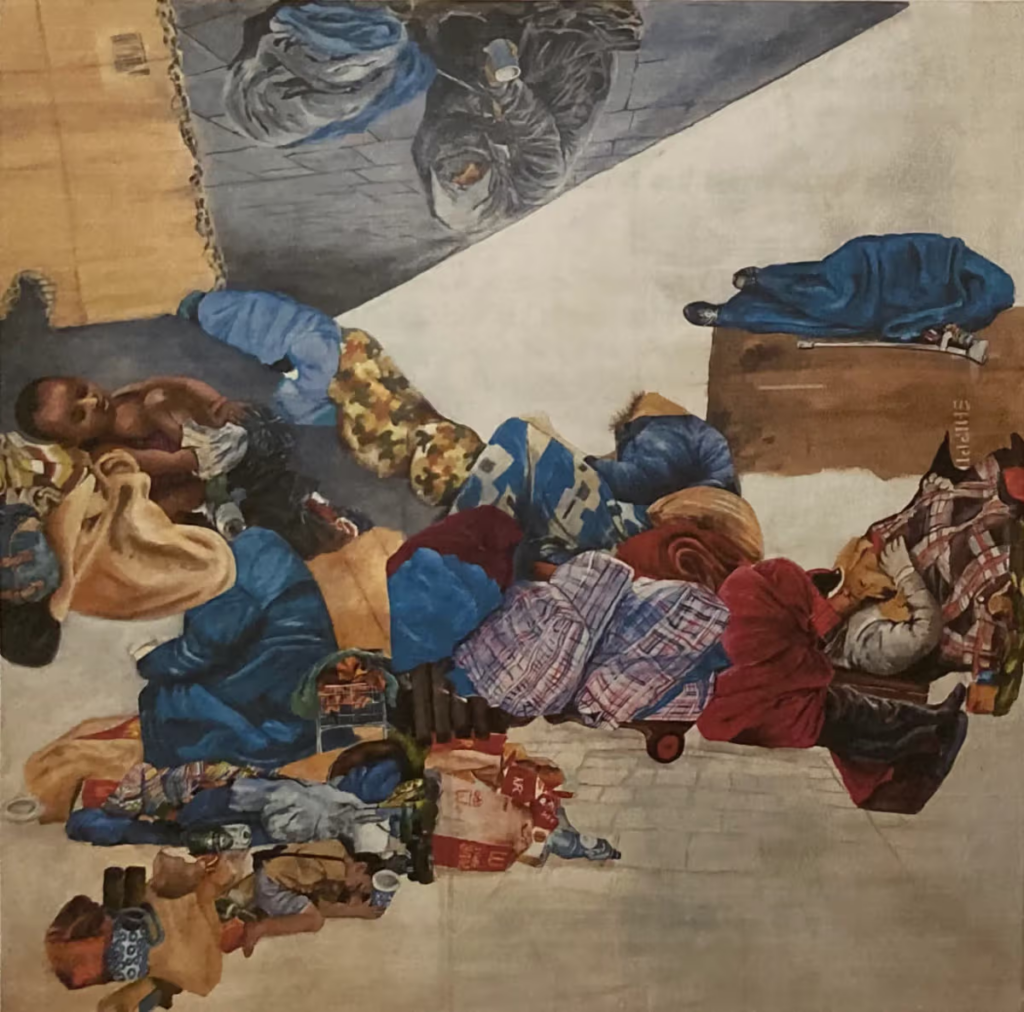
Article 25 guarantees the right to an adequate standard of living, including food, clothing, housing, medical care, and social security.
For Mia Turbić, this article holds both personal and academic significance. Having grown up in Bosnia and Herzegovina, she was familiar with the experience of war and the resulting insecurity surrounding basic living conditions. This personal experience also shapes her academic work on the starvation of civilians as a violation of international law.
For her, the relevance of the article is particularly evident in current conflicts, where hunger continues to be deliberately used as a weapon of war. At the same time, she pointed out that access to basic necessities is unevenly distributed worldwide even outside of war zones, thereby touching on issues of dignity and social justice.
She finds particularly striking in the chosen image the depiction of a child, which makes the vulnerability in situations of lack of basic services visible and allows the absence of these rights to be experienced directly.
Article 26 – Right to Education
Contribution by Alejandro Gómez López: https://www.instagram.com/p/DYl2TZGoO-9/
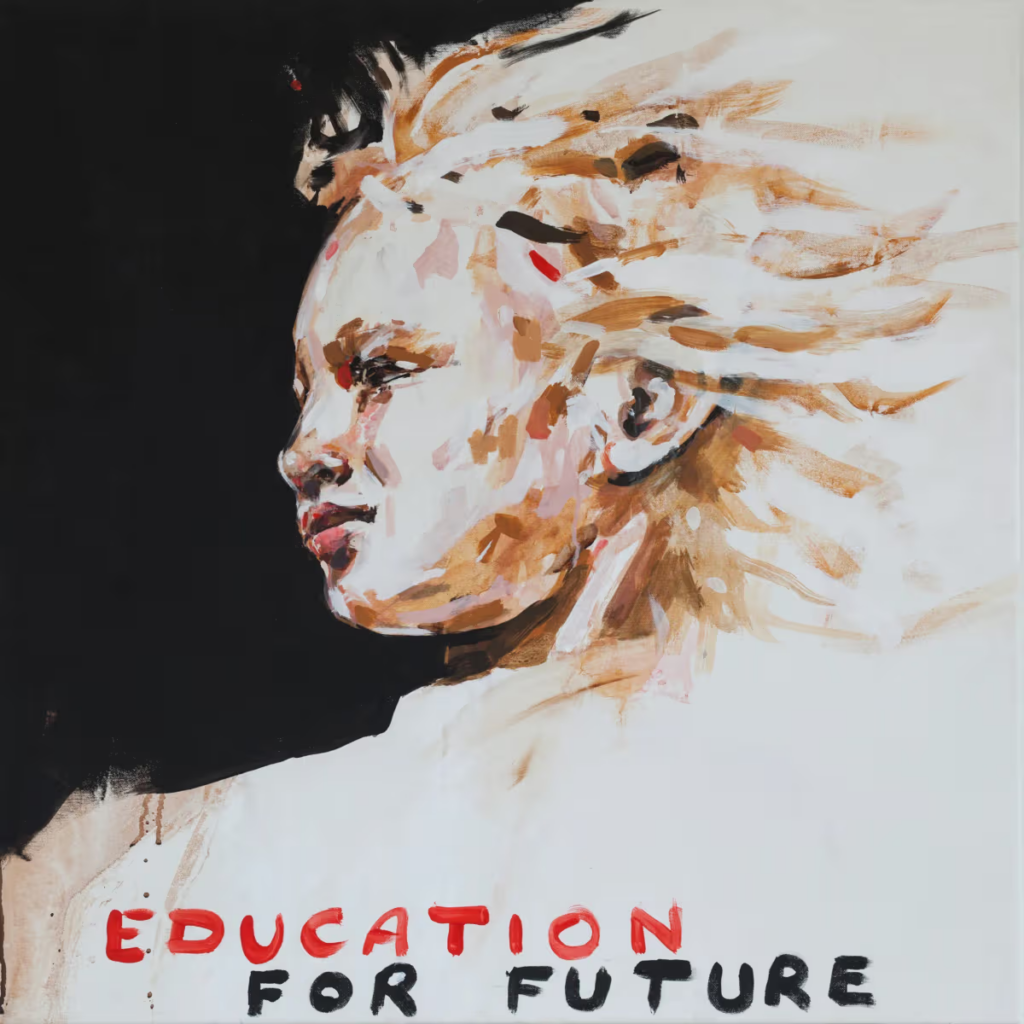

Article 26 guarantees the right to education, which should be equally accessible to all people and should contribute to the development of the individual and the promotion of human rights.
For Alejandro Gómez López, education is the central instrument of social transformation. It enables not only individual development but also social progress, social justice, and the management of diversity.
For him, the selected image depicts a young person turning away from the past and looking ahead. This movement symbolizes education as a bridge between the past and the future. At the same time, he draws attention to existing inequalities, particularly in access to education for girls and young women worldwide.
Artikel 28 – The Right to a Social and International Order
Contribution by Angélica Hernández Silvera: https://www.instagram.com/p/DYVA9gMAU8n/
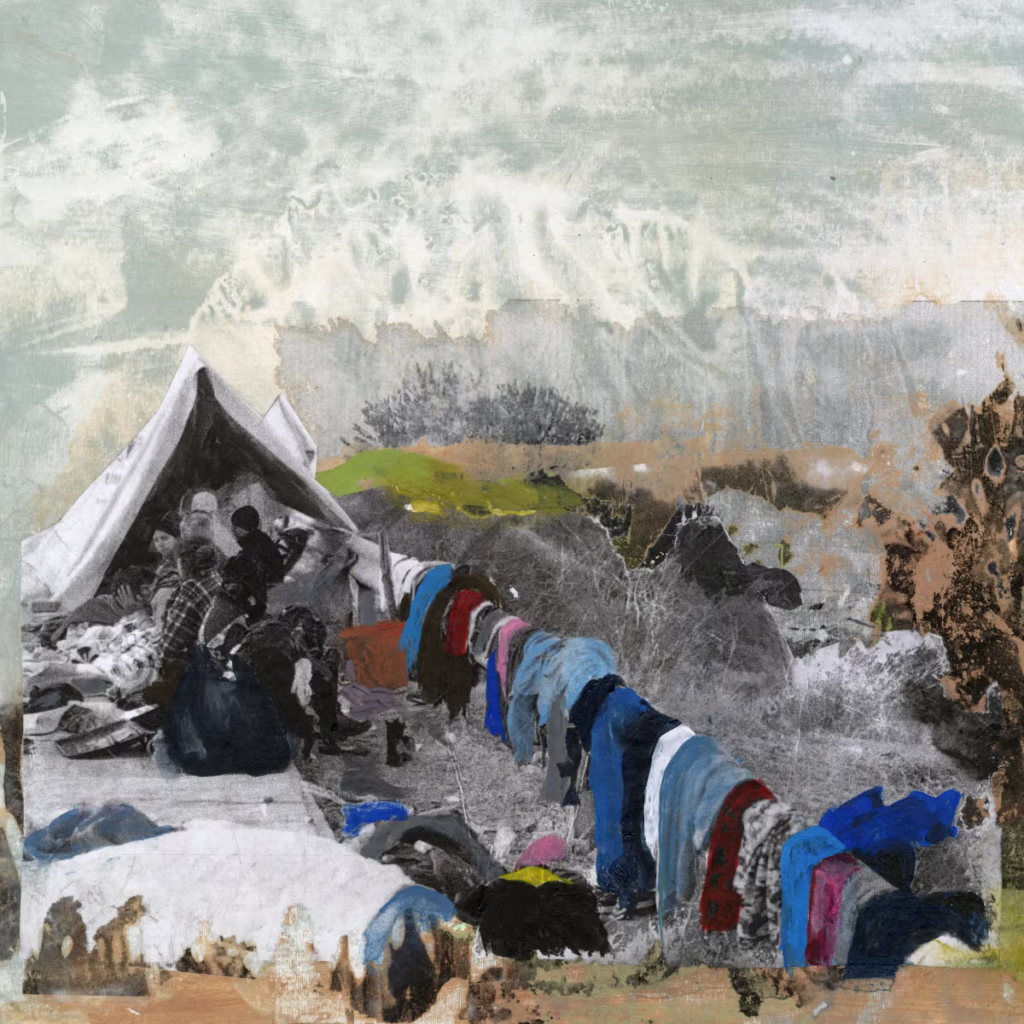
Article 28 describes the right to a social and international order in which the rights set forth in the Universal Human Rights Declaration can be fully realized.
Angelica Hernandez Silvera emphasizes that human rights depend not only on legal frameworks but also on functioning and just social structures. In many parts of the world, however, these structures are fragile or underdeveloped.
The image she has chosen refers to precarious living conditions and social insecurity. It highlights how structural inequalities and weak institutions can result in people having virtually no access to their guaranteed rights.
Menschenrechte im Dialog zwischen Kunst, Wissenschaft und Stadtgesellschaft
The exhibition made it clear that human rights are not merely legal norms, but are also negotiated in cultural and social contexts.
In the context of this interplay, Wiebke Winter from the City of Nuremberg’s Human Rights Office also highlighted the significance of the exhibition:
“Human rights are just as important today as they were when they were adopted by the UN 78 years ago, but they are also under threat and often unknown to people. As a city of peace and human rights, the human rights articles in Dani Karavan’s Street of Human Rights have long shaped our cityscape. Now, with this mobile exhibition, we also want to make human rights visible to everyone at various locations throughout our city.
[…]30 artists from twelve countries have interpreted these fundamental rights in their artworks, seeking to make human rights more accessible. The images offer room for interpretation and stimulate discussion. In this way, they can facilitate conversations about human rights. Unlike text, images are a universal language and thus perfectly suited to universal human rights. […]
The collaboration between academia, civil society, and government in Nuremberg is an excellent example of successful, long-standing cooperation on human rights issues. All stakeholders here have different strengths and approaches, which allows them to complement each other perfectly. The research conducted by FAU CHREN supports both organizations such as the Nuremberg Human Rights Center (NMRZ) and the municipal human rights office in their fact-based work, while civil society consistently provides impetus for new topics in the field of human rights and makes demands on the city. The Human Rights Office takes up these ideas, mediates between politics, administration, and civil society, and disseminates this knowledge to the broader community in appropriate formats.”
Further Information
- All information about the traveling exhibition and the other venues in Nuremberg can be found on the association’s website „Pictures for the Human Rights e.V.“
- All videos are available on our social media channels Instagram, LinkedIn, Bluesky zu finden.