
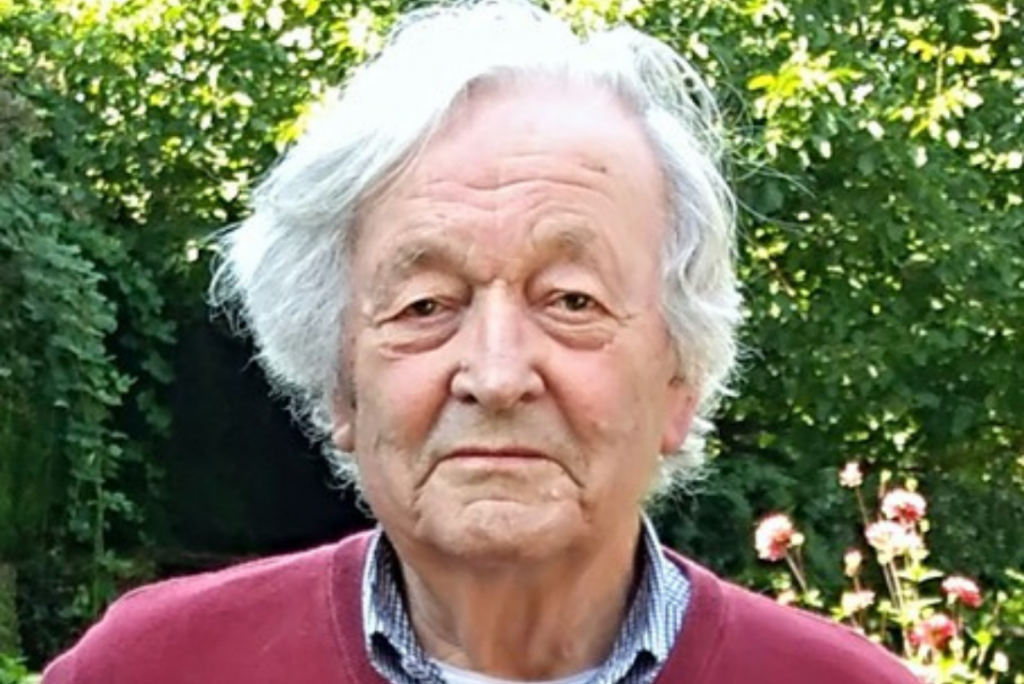
An obituary by Dr. Rainer Huhle
On 9 May 2026, Prof. Dr. Theodor van Boven passed away in Maastricht. Born in 1934, the Dutch jurist and diplomat was a tireless defender of universal human rights.
Commitment Against Injustice and Discrimination
From an early stage in his career, van Boven worked within the United Nations on behalf of those persecuted by authoritarian regimes, including in Chile and Argentina. He played a key role in securing recognition of enforced disappearance as a distinct human rights violation. Throughout more than fifty years of human rights advocacy, he was also deeply committed to combating discrimination and advancing the rights of Indigenous peoples.
Service within the UN – Despite Political Pressure
Van Boven held numerous positions within the United Nations, carrying out his responsibilities with a degree of independence that did not always sit well with member states. Under pressure from the United States, he was not reappointed in 1982 as Director of the UN Division of Human Rights, the predecessor of today’s Office of the High Commissioner for Human Rights. In later roles, including as Special Rapporteur on Torture, he continued to face significant pressure from governments seeking to limit scrutiny of their human rights records. Theo van Boven understood the importance of the UN system as a framework for the protection of human rights. He knew the political dynamics at work within the organization and how to navigate them effectively. Yet his primary concern was always the cause itself: the defence of human rights.
A Lasting Legacy: “Basic Principles and Guidelines on the Right to a Remedy and Reparation”
Perhaps his most enduring legacy within the UN is the set of Basic Principles and Guidelines on the Right to a Remedy and Reparation for Victims of Gross Violations of Human Rights. Drafted by van Boven, developed through an extensive participatory process, and first submitted to the United Nations in 1993, these principles were eventually adopted by the UN General Assembly in 2005. They have since become a cornerstone of efforts to address the legal and humanitarian consequences of dictatorship, repression, and mass human rights abuses—an area now widely known as transitional justice.
Connections to Nuremberg and FAU CHREN
In Nuremberg, Theo van Boven is particularly remembered for his long-standing service on the jury of the International Nuremberg Human Rights Award, beginning in 1995. He also maintained close ties with the Nuremberg Human Rights Center (NMRZ) and FAU CHREN. When he closed his office as Professor Emeritus of Law at Maastricht University in 2021, he donated a substantial part of his personal research library to both institutions.
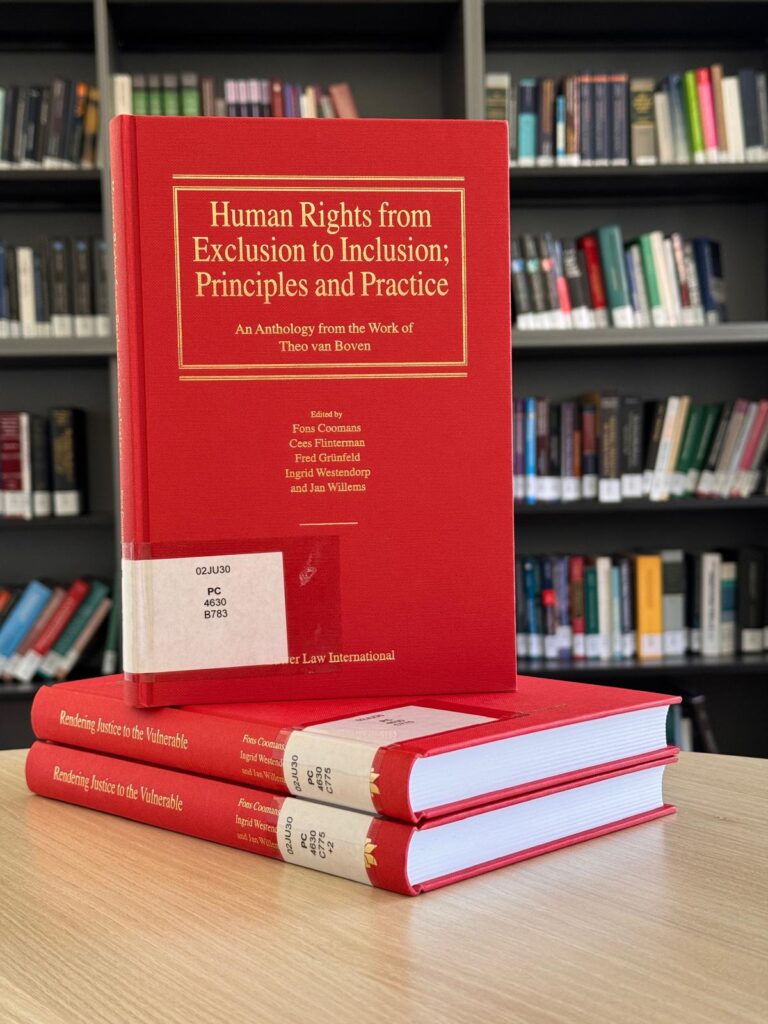
I had the privilege of collecting this remarkable gift from Maastricht myself. The day I spent with this extraordinary human being, scholar, and activist remains unforgettable. At a time when the UN human rights system is once again under considerable pressure, Theo van Boven reminds us that such challenges are not new. He experienced them throughout his career and demonstrated that they can be resisted—and how. This becomes particularly clear in the interview I had the privilege of conducting with him in 2021.
Theo van Boven will be remembered in Nuremberg—as a pioneer and a role model.
An obituary by Rainer Huhle.
Dr. Rainer Huhle is a member of FAU CHREN, a co-founder of the Nuremberg Human Rights Center (NMRZ), and teaches the course on Transitional Justice in the Human Rights Master’s Programme together with Prof. Dr. Laura Clérico.